Natasha Karungi
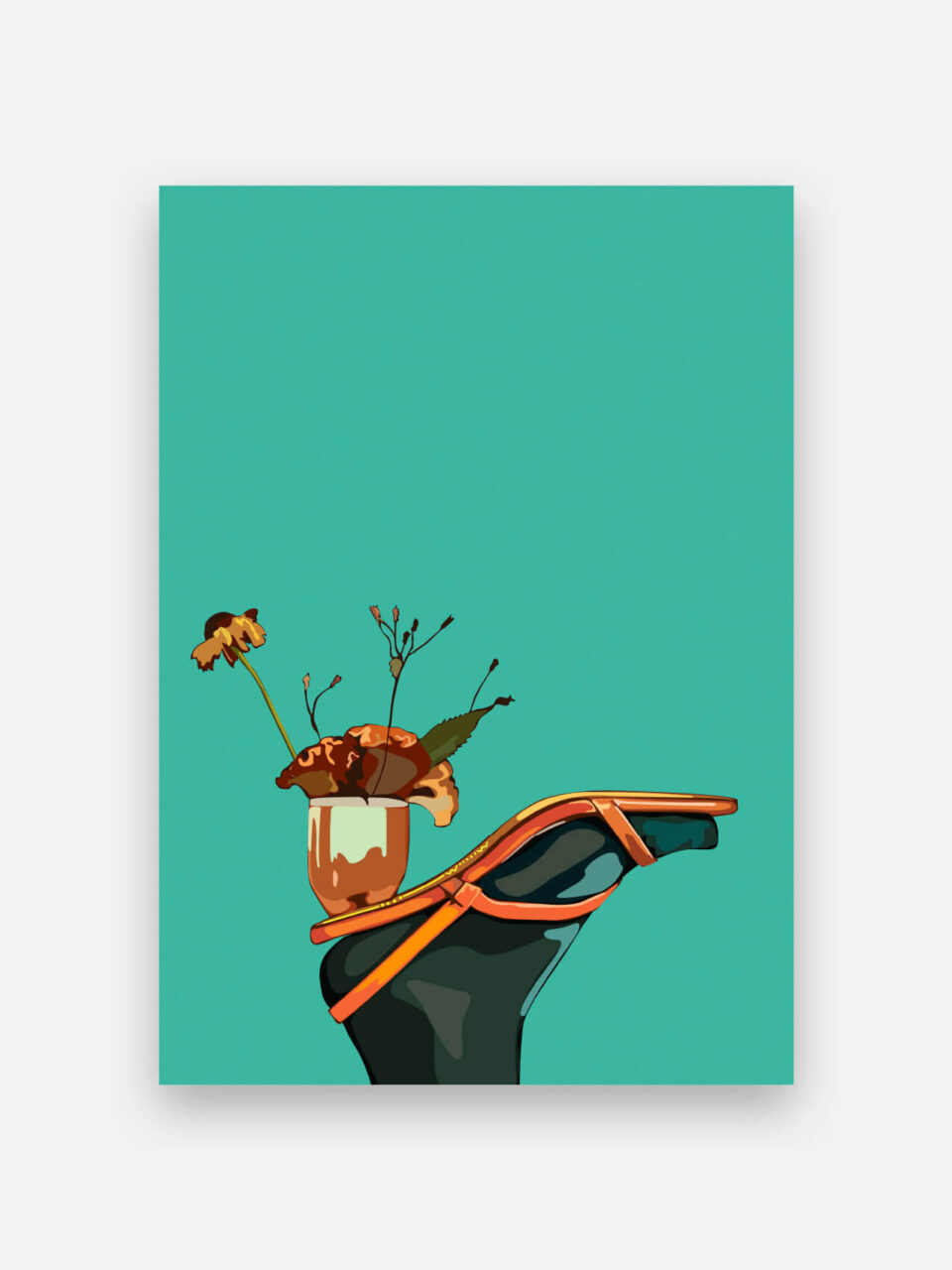
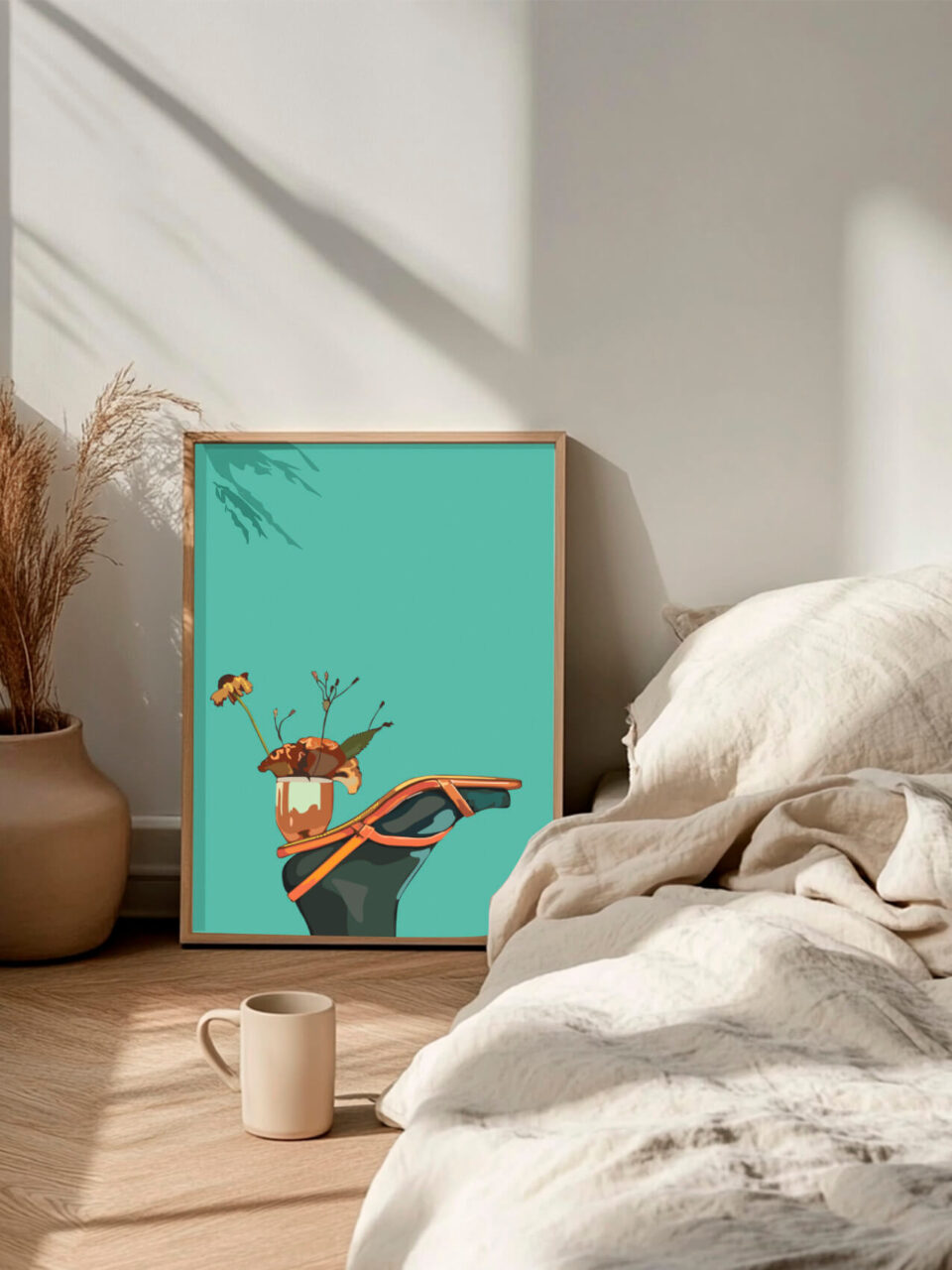
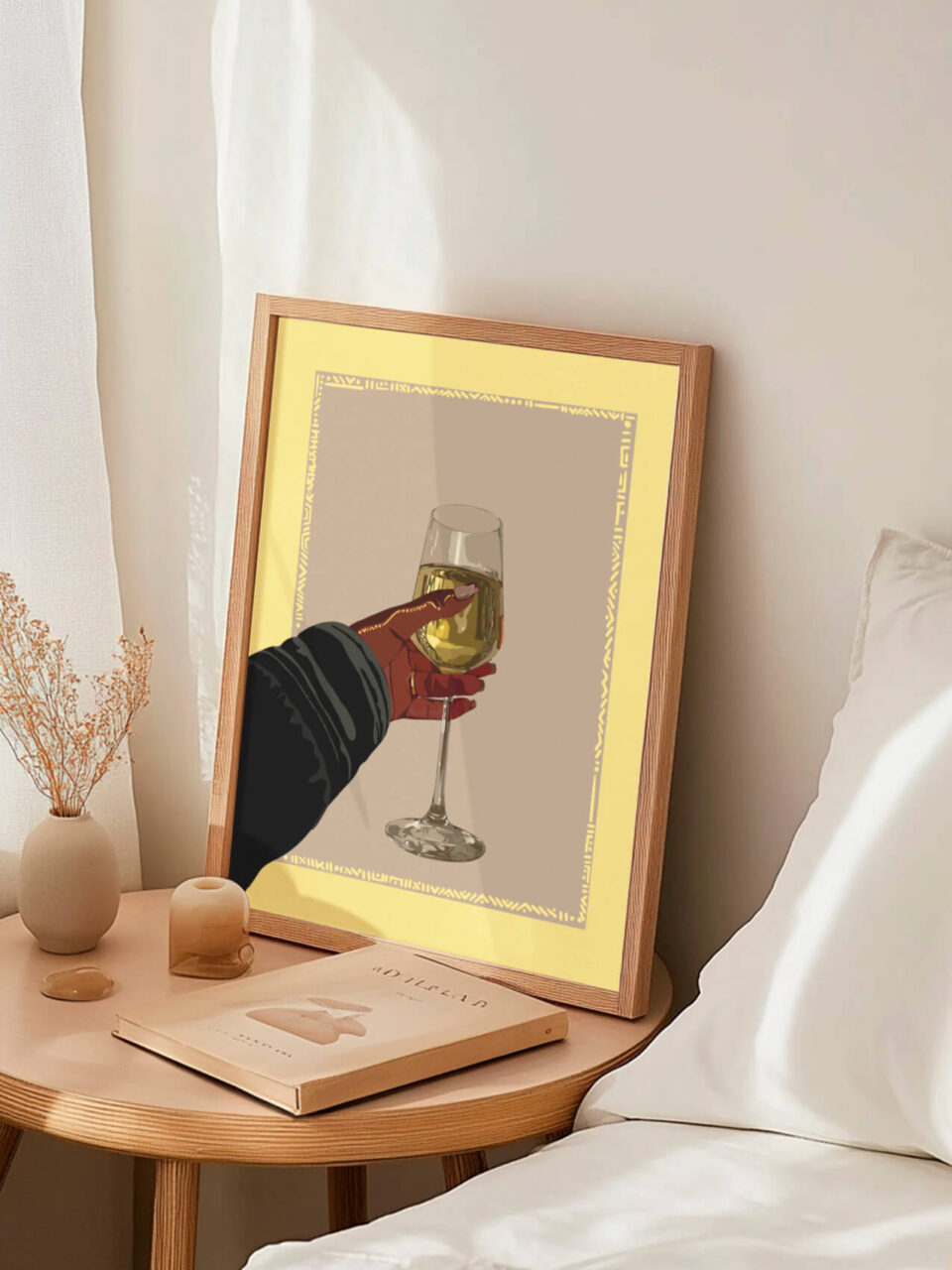
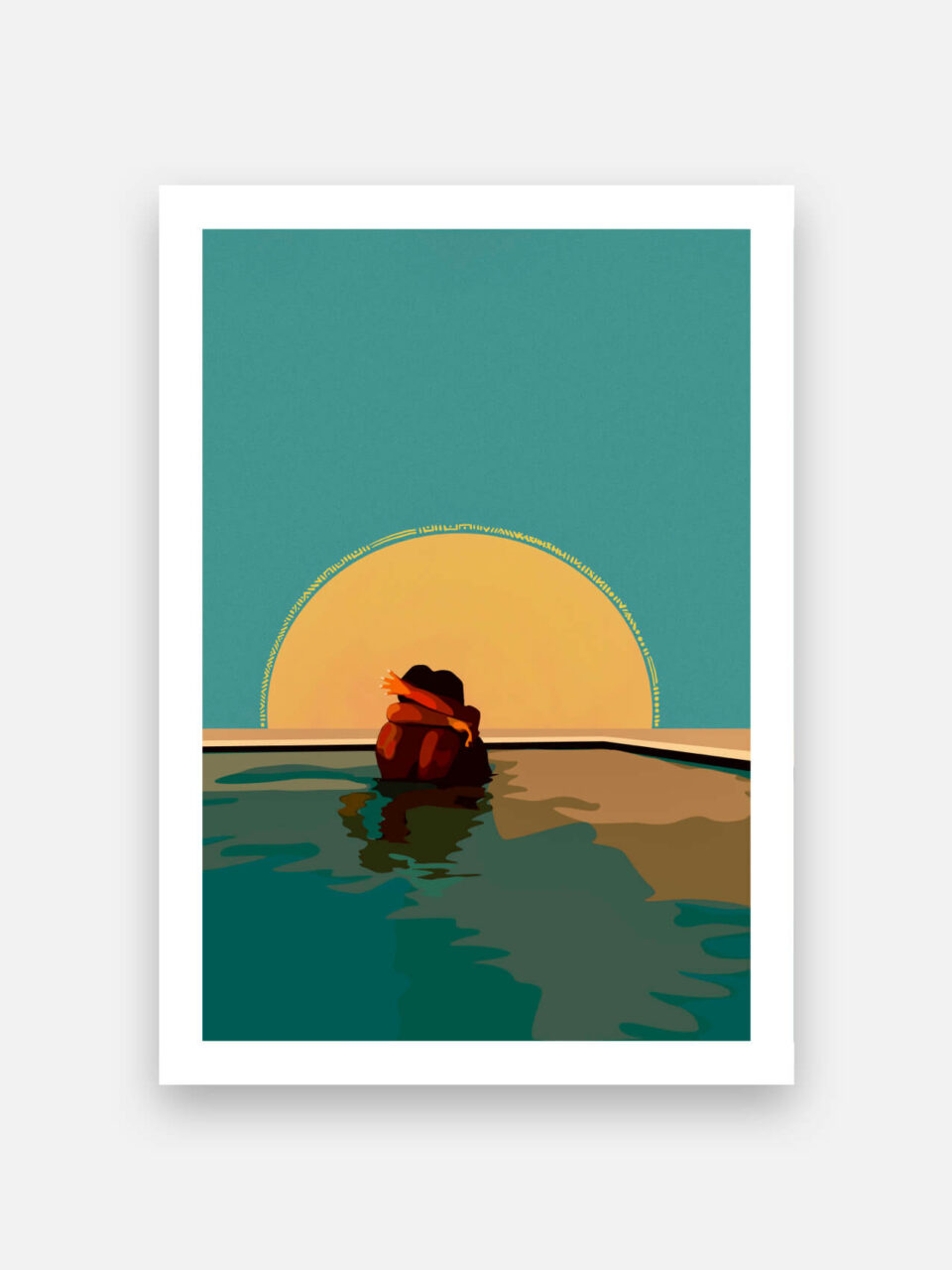
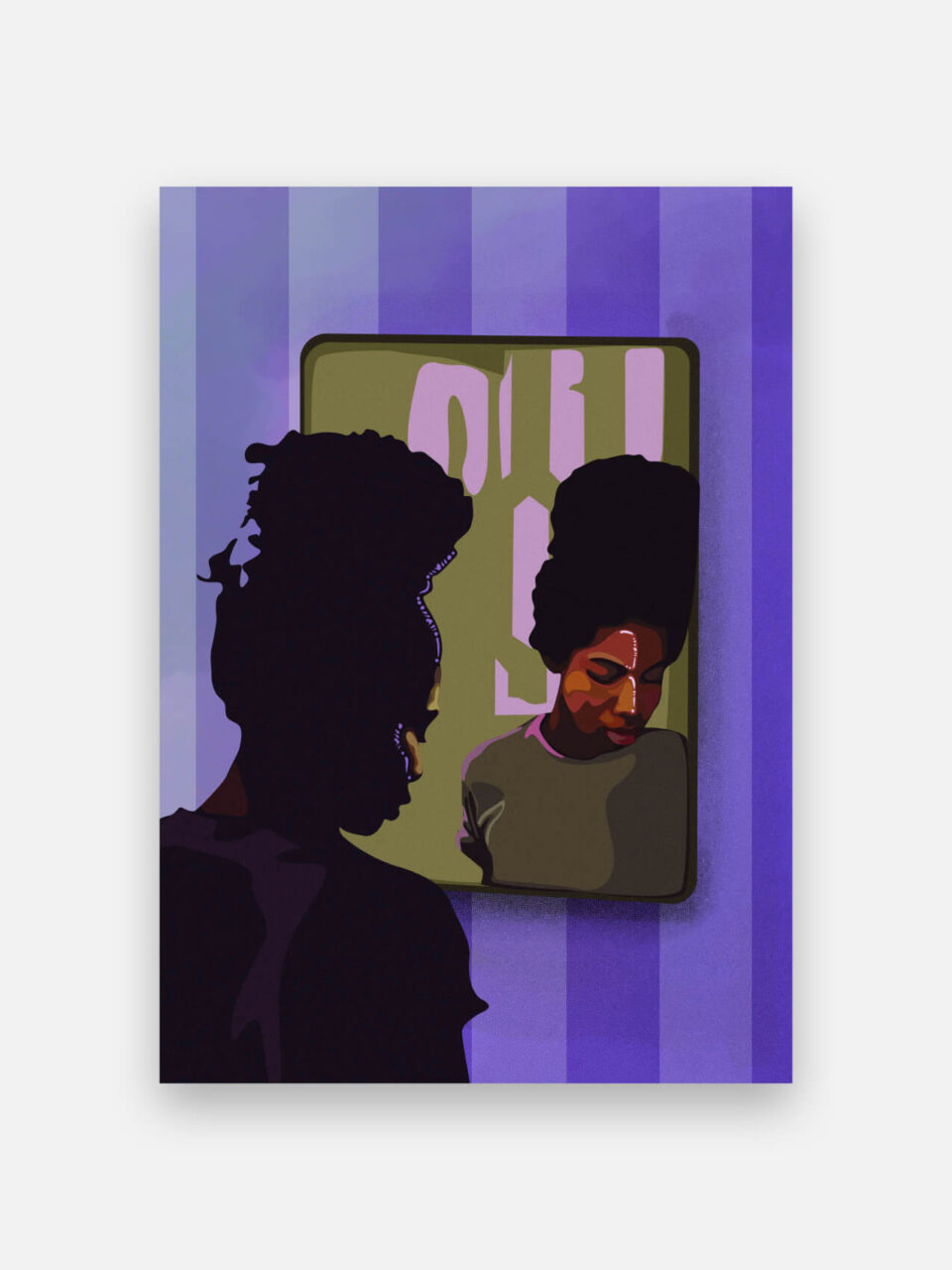
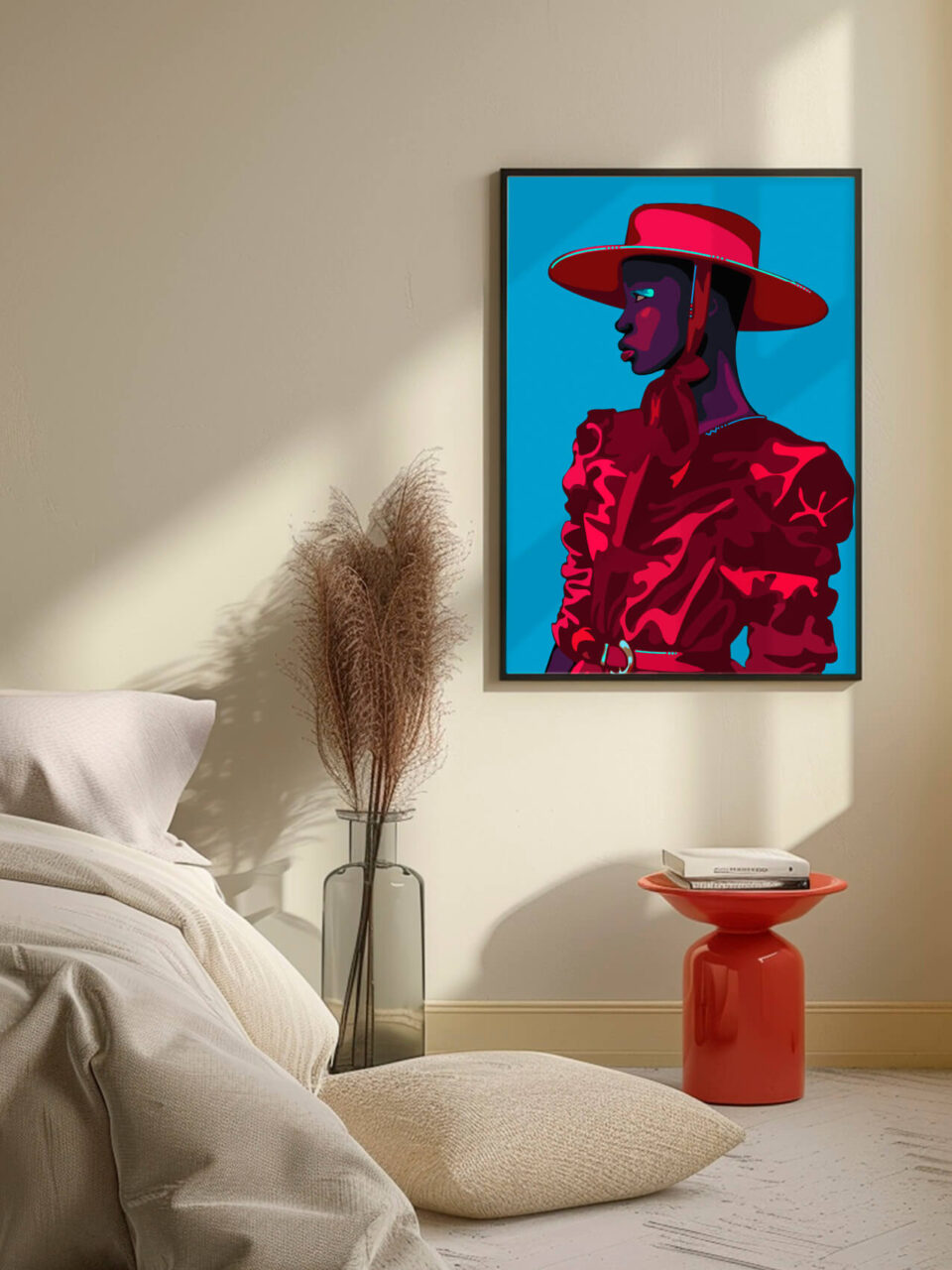
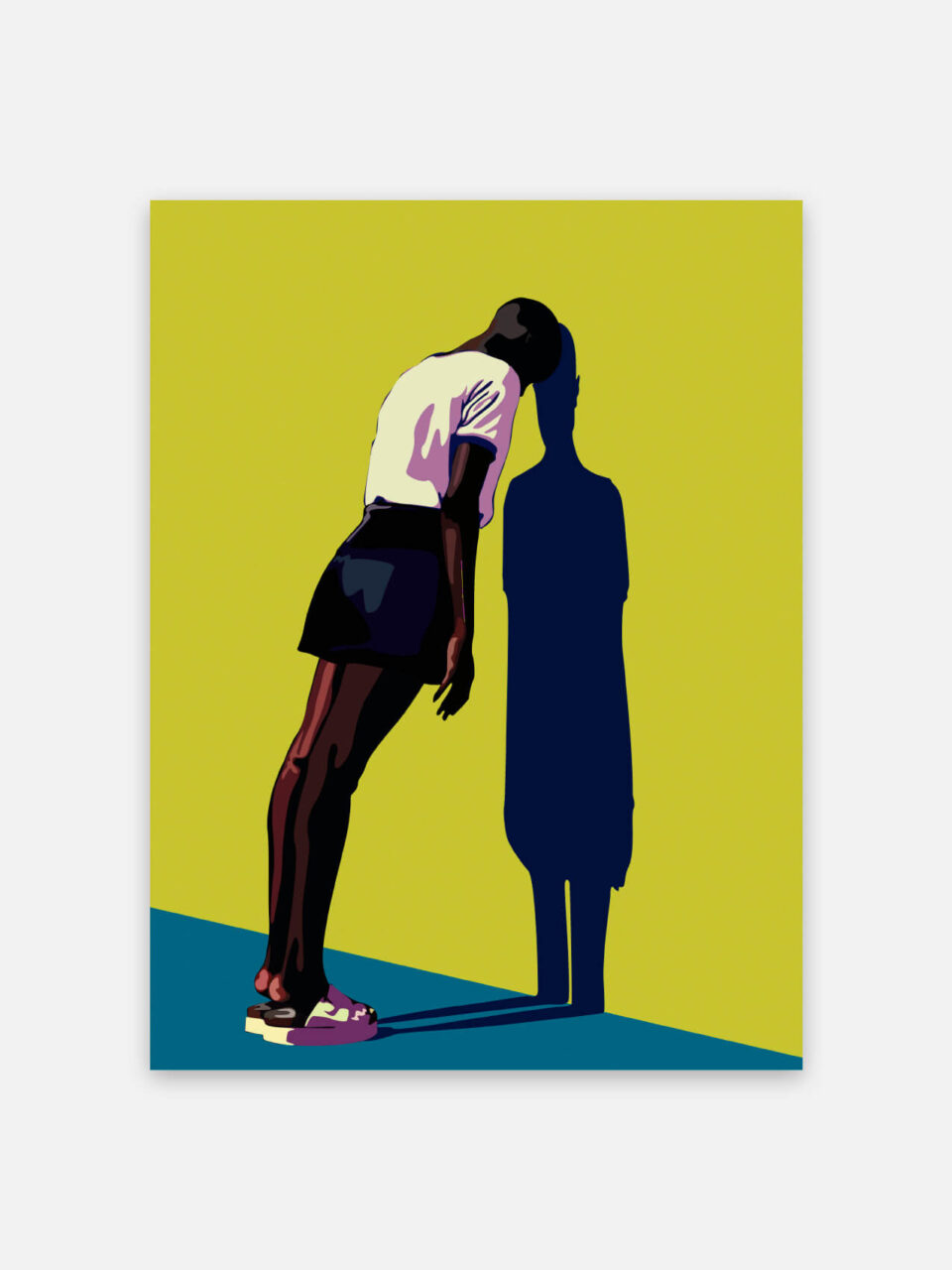
Natasha Karungi, also known as Kashushu, is a 25-year-old self-taught contemporary visual artist, originally from Kampala, Uganda. Kashushu works across various digital mediums like Adobe Illustrator, procreate, Adobe fresco, and Adobe Photoshop. Her vibrant abstract compositions are a blend of lines, patterns, and geometric and inorganic shapes that she uses to reimagine the human figure, landscapes, still life, and nature.
Using inspiration from art movements like pop art, her work is identified by her unique and vibrant color schemes. Her work is primarily experienced as NFTs and limited and unlimited edition prints. Kashushu has showcased her work both nationally and internationally both as prints and as NFTs. She has participated in various exhibitions for example but not limited to Zuzalu exhibition in Montenegro, , ‘NFT NYC’ at Times square, New York City, and Ebirungi exhibition at Latitude 0.
She has also attended art residencies like Vertical Crypto Art Residency, Zuzalu Residency by Vitalik Buterin in Montenegro, Nafasi Art Residency in Dar Es Salaam, Tanzania and is the current artist in residence at Mazi Art and Culture in Morogoro, Tanzania. She has co-founded a startup “Blocart Creatives Ltd” which has released two generative art NFT projects which are ‘pineapples dayout’, a collection of 5000 digital collectibles that was launched in July, 2021. Primarily an Impact NFT project, its main goal is to use the proceeds to give back to the community by supporting African artists who haven’t made sales yet. She later launched a PFP NFT project ‘Bush baby club’ ,in December 2021, which is a collection of 7777 digital collectibles whose goal is to build a streetwear and lifestyle brand. Alongside these two projects, she also has her personal collections that can be found by her collectors on NFT marketplaces like foundation.com and OpenSea.io.
Currently, she is exploring themes of fantasy, mythologies and history which she is using as inspiration for her latest artwork. She believes that the reason African folktales and mythologies are not exist in the books of history and literature and the mainstream media is because our art was destroyed during colonial times. She believes her duty as an artist now is to use her artwork to create stories that will make a mark in the books of African history a thousand years from now. With her work, she hopes to stir conversations of curiosity and mild controversy.